Giving Back
Responsible Travel
& Giving Back
Tourism should leave more behind than it takes. Here is exactly how that works on an Eascope safari — including what we have and haven't done yet.
Tourism should leave more behind than it takes. Here is exactly how that works on an Eascope safari — including what we have and haven't done yet.
Plenty of safari companies publish long lists of the good they claim to do. We would rather tell you three things we can actually prove than thirty we cannot.
So here is where we stand today. Eascope is a Tanzanian company based in Arusha, owned and staffed by East Africans. Our guides, drivers, cooks and office team are local people on fair terms. We book locally owned lodges and camps wherever the standard allows it, and we buy supplies in the towns we drive through rather than shipping everything from the city.
That already moves real money into East African hands on every trip. Community projects funded directly by us are a newer chapter, and we are building them deliberately — a few, done properly, with the villages deciding what is needed. As each one takes shape it will appear on this page with names, places, dates and photographs.
Ask Us AnythingMost of what you pay for a safari never stays with the safari company. Here is how a typical trip breaks down — and we will show you the exact figures for your own itinerary in writing.
Entry and concession fees go to the park authorities — TANAPA and the Ngorongoro Conservation Area in Tanzania, KWS in Kenya, UWA in Uganda, RDB in Rwanda. On most itineraries this is the single largest line in your quote, and it funds rangers, anti-poaching patrols and park infrastructure.
Uganda and Rwanda both operate revenue-sharing schemes that return a defined share of permit and park income to the communities living around the forests. The percentages are set and published by the park authorities — ask us and we will send you the figures that apply on your dates.
In the Masai Mara conservancies your nightly conservancy fee is a lease payment to the Maasai families who own that land. It is the reason the land stays open grassland instead of being fenced and farmed — conservation that pays its own way.
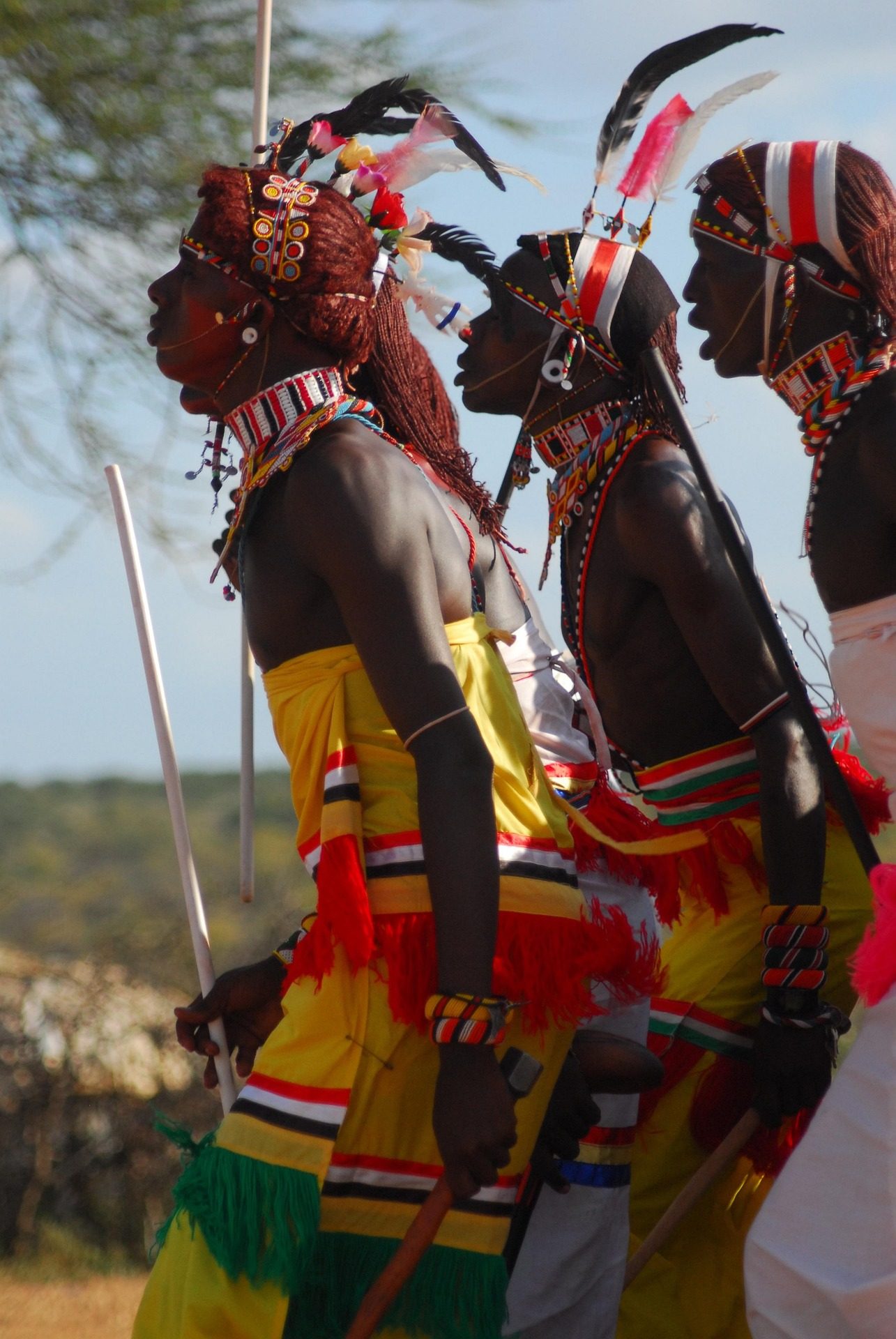
Cultural visits carry a fee set by the village leadership and paid into the community fund, not to a middleman. We ask each village how they want visits arranged, and we follow it.
What remains covers our guides and crew, vehicle maintenance and fuel, licensing and insurance, and the company's margin. Staff costs are the largest part of it — and they are paid in Tanzania, to Tanzanians.
Guides, drivers, cooks and office staff are East African, employed on fair terms rather than trip-by-trip casual labour.
Porters carry within the legal weight limit, sleep in proper tents, eat the same meals as the rest of the crew, and are paid the published route rate before tips. If you climb with us you may ask to see the wage sheet.
Where a locally owned camp matches the standard you have booked, that is the one we recommend.
Refillable water in every vehicle instead of cases of single-use bottles. Tanzania and Rwanda both restrict plastic bags — we will tell you what not to pack.
We keep our distance, we do not off-road onto a sighting to get you closer, and we never bait or call animals. A guide who breaks that does not drive for us.
If we say we did something, we can tell you where, when, and who was involved. As our community work grows this page grows with it — with real names and real photographs, never stock images.
These are run by the communities themselves — your fee goes to their fund, and they decide what visitors see. Any of them slots into an existing itinerary; just say the word.
Arranged directly with village elders — a morning in a working boma, not a staged performance. Fees go to the village fund for school and water needs.
Read more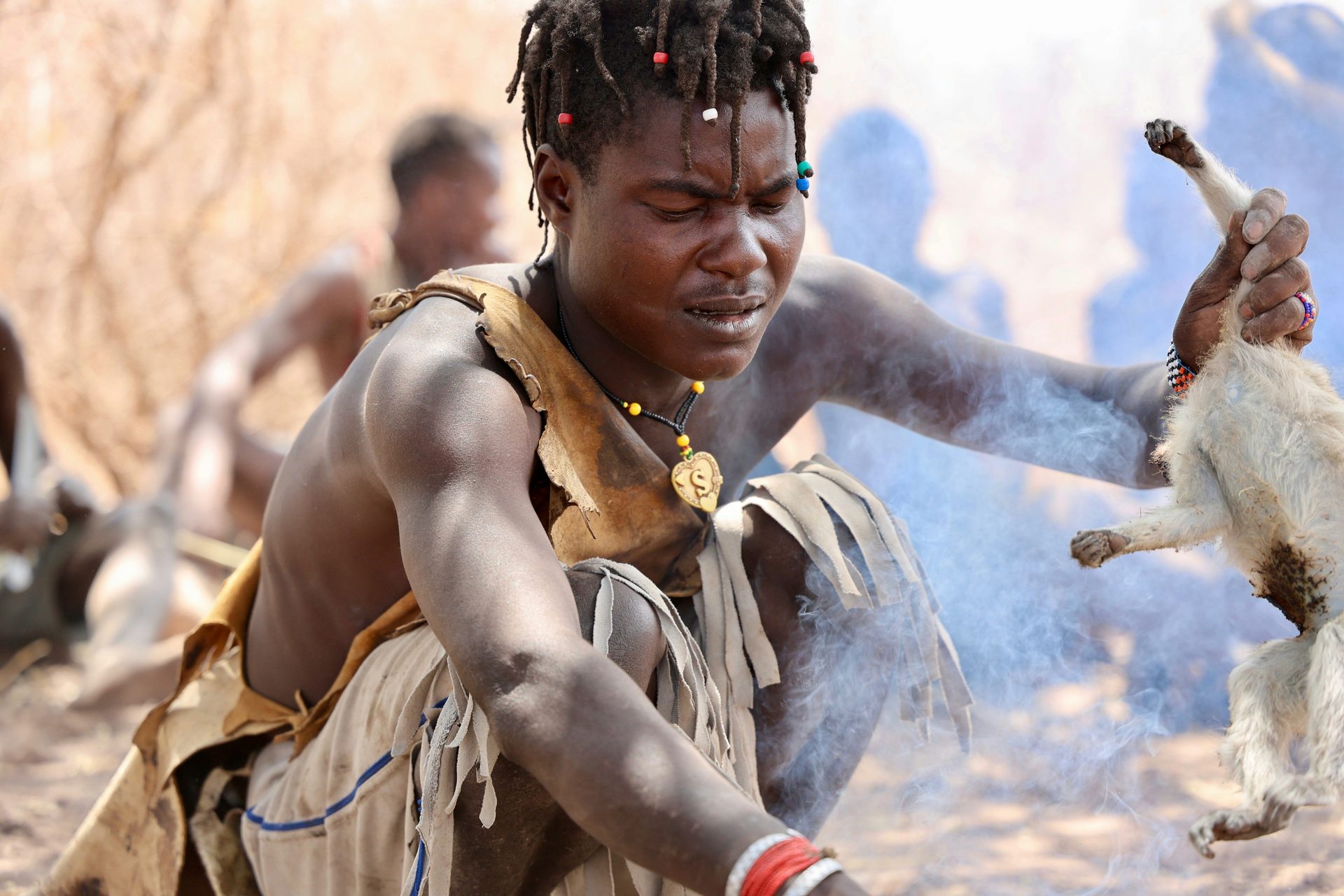
Join a dawn hunting walk with one of the last hunter-gatherer communities in Africa, then visit Datoga blacksmiths who still work metal by hand.
Read moreA village-run swamp boardwalk with over 200 bird species and eight primate species. Widely cited as a model of community-managed conservation — the fees fund local schools directly.
Read more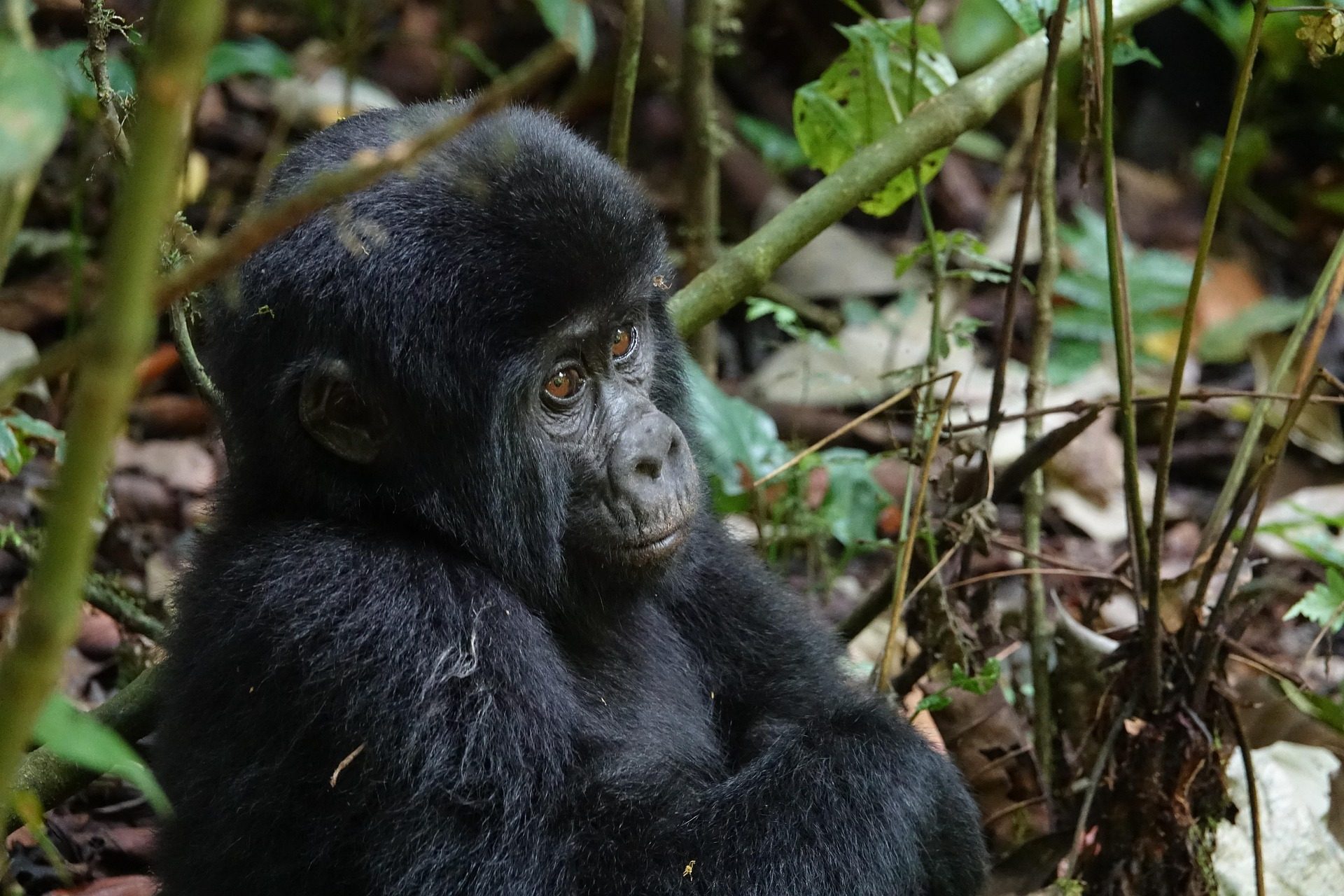
Walk forest trails with the Batwa, the original inhabitants of Bwindi, and hear their own account of the forest and of leaving it. Led by Batwa guides.
Read more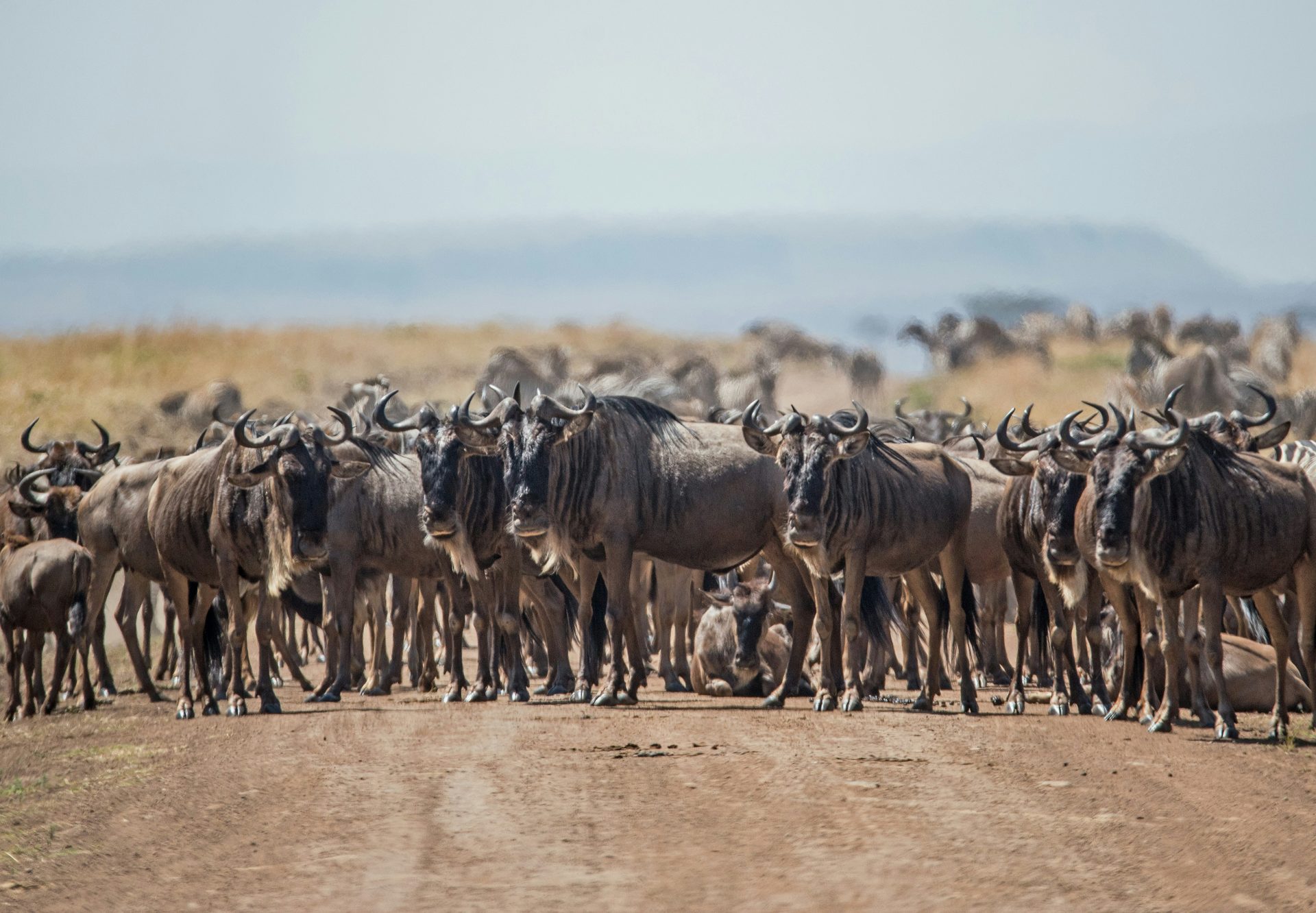
Choose a conservancy camp over a reserve lodge and your bed-night becomes a lease payment to Maasai landowners. Fewer vehicles at sightings, too.
Read more
Women's weaving co-operatives, artist studios and Rwandan coffee roasters — buying at the source, at a fair price, from the people who made it.
Read moreMany of our travellers ask whether they can bring something for the communities they will visit. The answer is yes — and there is a right way to do it that makes a real difference instead of an awkward one.
Tell us before you pack. We will ask the village or school what they actually need that term. A suitcase of the wrong thing helps nobody; twenty exercise books arriving the week they run out helps a lot. We can also carry items ahead in the safari vehicle so you are not fighting your baggage allowance.
Hand things to the head teacher, the clinic or the village leadership — never to individual children. They know who is missing what.
Exercise books, pens, pencils, chalk, wall maps, reading books in English and Swahili, footballs and pumps.
Light to carry, transformative for older people, and rarely available locally.
Beadwork, baskets, carvings and coffee bought at a fair price from the person who made them beat most donations — it is income, not charity.
Your guide, cook and porters rely on it. We will give you honest guideline amounts — no guessing and no pressure.
It looks kind and it does real damage — children learn to leave school and beg at the roadside because it pays better than a classroom. Every serious operator in East Africa asks the same thing.
Orphanage tourism is harmful and, in parts of the region, drives children into institutions they do not need to be in. We will not book it, and we would gently ask you not to book it elsewhere either.
Ask first, every time, and accept no as an answer. Your guide will interpret if you would like — it usually turns into a conversation.
Large donations of used clothes undercut the local tailors and traders who make a living from it. Small and specific beats big and general.
Not a list of achievements — a list of promises, with dates. Hold us to them.
Any traveller who asks gets their park fees, permits, conservancy and community fees broken out line by line. This one is already in force.
Weight limits, shelter, meals and pay rates for every Kilimanjaro climb, open to inspection by the people who book them.
One school, chosen with the village leadership near a route we already travel, funded from our own margin. When it is done, this entry will name it — and show it.
Moving from ad-hoc giving to a set amount from every booking, published here as a number rather than a vague "portion of proceeds".
Nothing appears in this timeline as complete until it is, and every completed item carries a place, a date and a photograph.
Tell us what matters to you and we will build the community and conservation side into your itinerary properly — not as a bolt-on.